The Power of Visual Identity: How to Make Your Brand Stand Out
Branding and Identity
JUL 12, 2024
15 MIN READ
 In today's competitive marketplace, creating a memorable brand requires more than offering excellent products or services. Businesses need a distinctive visual identity that communicates their values, attracts their target audience, and makes them instantly recognizable. From logos and color palettes to typography and website design, every visual element contributes to how customers perceive a brand.
A strong visual identity helps businesses establish credibility, differentiate themselves from competitors, and build lasting relationships with their audiences. Whether you're launching a startup or refreshing an established company, investing in a cohesive design strategy can make a significant difference in your marketing performance. In this guide, we'll explore the power of visual identity, its essential components, and practical strategies for making your brand stand out.
What Is Visual Identity in Branding?
Visual identity refers to the collection of visual elements a business uses to represent itself across marketing materials, digital platforms, products, and customer communications. It translates a company's personality, mission, and values into a recognizable visual language.
Although branding encompasses a broader set of elements, including customer experience, positioning, and brand reputation, visual identity focuses on how a brand looks and communicates visually. It helps audiences recognize a business even before reading its name or understanding its offerings.
A comprehensive visual identity typically includes:
- Logo: A distinctive symbol or wordmark that identifies your business.
- Color palette: A carefully selected combination of colors that reflects your brand personality.
- Typography: Fonts and text styles that establish a consistent visual tone.
- Imagery: Photography, illustrations, graphics, and other visual assets that support your brand message.
- Graphic elements: Icons, patterns, shapes, and supporting design components.
- Layout and composition: Consistent approaches to spacing, alignment, hierarchy, and presentation.
When these elements work together, they create a unified experience that helps customers understand what your brand represents and remember it over time.
Why Is Visual Identity Important for Your Brand?
Visual identity influences how customers discover, evaluate, and remember businesses. A consistent and professionally developed identity can support brand recognition while making marketing communications more effective.
1. Creates a Strong First Impression
Customers often encounter a business through its website, social media profile, advertisement, or digital content. Before engaging with the company's products or services, they begin forming an impression based on what they see.
A polished visual identity communicates attention to detail and professionalism. Conversely, inconsistent graphics, outdated logos, and mismatched colors may make a business appear less established than it actually is.
Businesses can strengthen their first impression by maintaining consistent design standards across their websites, advertisements, social media accounts, and sales materials.
2. Makes Your Business Recognizable
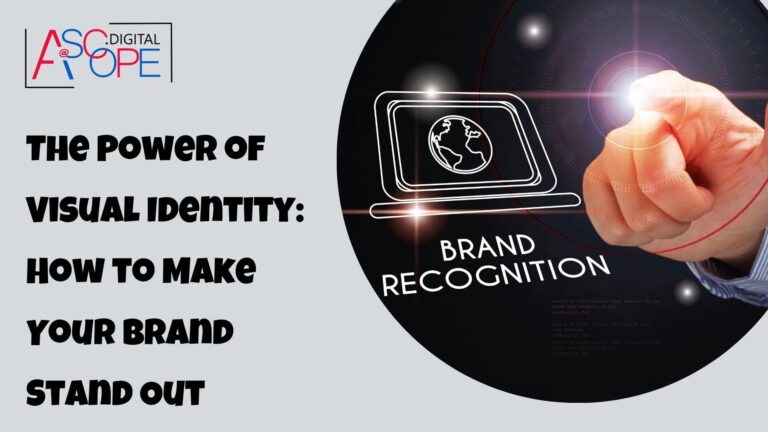
Brand recognition develops when customers repeatedly encounter distinctive visual elements associated with a business. Consistent colors, typography, imagery, and logo placement help audiences identify your brand across different channels.
For example, a customer might see your advertisement on social media, visit your website several days later, and encounter your email newsletter the following week. When the same visual identity appears throughout these interactions, it becomes easier to connect each experience with your business.
This consistency is particularly valuable for companies competing in crowded markets where customers have many alternatives.
3. Builds Trust and Credibility
Customers want to feel confident about the businesses they choose. A coherent visual identity can support that confidence by demonstrating that a company has invested in its presentation and pays attention to the customer experience.
Visual consistency alone cannot establish trust. Businesses must also deliver reliable products, transparent communication, and quality service. However, a professional design system reinforces these qualities and helps create a more credible overall impression.
4. Differentiates Your Brand From Competitors
When competing businesses offer similar products or services, a distinctive visual identity can help customers understand what makes your company different.
Instead of following every industry design trend, identify the characteristics that make your business unique. A technology company might emphasize clarity and innovation, while a premium consulting firm might use restrained typography, carefully selected colors, and sophisticated imagery.
The objective is not simply to look attractive. It is to create a visual language that reflects your positioning and appeals to the customers you want to reach.
5. Supports Marketing Consistency
Marketing campaigns become easier to coordinate when a business has established visual guidelines. Teams can create advertisements, landing pages, presentations, email campaigns, and social media graphics without reinventing the brand's appearance each time.
A documented visual identity system also helps external designers, marketing agencies, and content creators produce materials that remain consistent with the company's established image.
Businesses looking to connect visual identity with a broader marketing strategy can explore brand strategy services to align their messaging, positioning, and design decisions.
What Are the Essential Elements of a Strong Visual Identity?
An effective visual identity is built from several connected elements. Each serves a specific purpose, but the greatest impact comes from using them together consistently.
1. Logo Design
Your logo is often one of the most recognizable elements of your brand. It should communicate your identity clearly while remaining practical across different formats and sizes.
A successful logo should be distinctive, legible, adaptable, and appropriate for your audience. It should work on a website header, social media profile, business card, presentation, and other relevant applications.
Avoid adding unnecessary details simply to make a logo look more sophisticated. Clear shapes, thoughtful typography, and a purposeful design concept often produce a more versatile result.
Professional logo and visual identity design can help businesses create a recognizable foundation for their broader branding efforts.
2. Strategic Color Selection
Colors influence the mood and associations people may develop when interacting with a brand. Although color meanings can vary across cultures and contexts, a carefully chosen palette can reinforce your positioning and create visual consistency.
For example, blue is frequently associated with stability and professionalism, while green may communicate nature, sustainability, or growth. Black can support a premium aesthetic, while brighter colors may convey energy and playfulness.
Choose colors based on your audience, industry, brand personality, and accessibility requirements rather than relying exclusively on general color associations.
A practical color system should include:
- Primary colors: The main colors associated with your brand.
- Secondary colors: Supporting colors that add variety without overwhelming the design.
- Accent colors: Colors used selectively for important details, links, or calls to action.
- Neutral colors: Backgrounds and text colors that maintain readability and balance.
Document the exact color values so that every team member can reproduce the same palette across digital and printed materials.
3. Typography and Readability
Typography affects both the appearance and usability of your brand communications. The fonts you select can make a business appear modern, traditional, playful, authoritative, or sophisticated.
Choose typefaces that reflect your brand personality while remaining easy to read. Establish a clear hierarchy for headings, subheadings, body text, captions, and buttons. Using too many fonts can make designs feel disorganized and weaken consistency.
Typography must also work across screen sizes and devices. Responsive font sizing, sufficient line spacing, and readable text contrast help ensure that your brand communicates effectively to a wider audience.
4. Photography and Graphic Style
Images communicate information quickly and help establish the atmosphere of a brand. However, visuals that vary dramatically in lighting, color treatment, composition, and subject matter can make marketing materials feel disconnected.
Define an image style that suits your brand. Decide whether your communications will primarily use authentic photography, product imagery, illustrations, editorial visuals, or a carefully balanced combination.
For example, a professional services company may benefit from authentic workplace photography and clean graphics, while a lifestyle brand may rely more heavily on expressive imagery and distinctive art direction.
When using stock photography or AI-generated visuals, review each asset for accuracy, licensing considerations, quality, and consistency with your brand standards.
5. Consistent Layouts and Design Patterns
Visual identity extends beyond logos, fonts, and colors. The way elements are arranged also contributes to recognition. Consistent spacing, image treatments, icon styles, borders, and page layouts can make a brand feel unified.
Create reusable design templates for common marketing materials. Templates reduce production time, help teams maintain consistency, and make it easier to scale content creation as your business grows.
How Can You Create a Visual Identity That Stands Out?
Building a memorable visual identity requires a combination of research, strategic planning, creative development, and ongoing refinement. The following steps can help businesses establish a distinctive and practical design system.
Step 1: Understand Your Brand's Purpose and Audience
Begin by defining your mission, values, positioning, and target customers. Consider what your business wants to communicate and how you want customers to perceive it.
Ask questions such as:
- What makes our business different from competitors?
- Who are our ideal customers?
- What problems do we solve for them?
- Which qualities should our brand communicate?
- What visual styles appeal to our audience without making us look generic?
These answers provide a strategic foundation for design decisions and help prevent the visual identity from becoming an exercise in personal preference alone.
Step 2: Research Competitors and Industry Trends
Review the visual identities of competing businesses to understand common design patterns, customer expectations, and opportunities for differentiation.
Look at their logos, color palettes, websites, advertisements, and social media content. Identify which elements are widely used across the industry and consider how your brand could communicate a different but relevant personality.
The objective is not to copy competitors or deliberately appear unrelated to your industry. It is to identify a distinctive direction that customers can understand and remember.
Step 3: Develop a Clear Design Concept
Translate your brand strategy into a visual concept. Create a mood board containing potential colors, typography, photography styles, graphic elements, and reference designs.
Evaluate each option against your brand positioning and customer expectations. A useful design concept should be visually appealing, commercially relevant, and practical across the channels where your business operates.
Before finalizing the concept, test several variations. Compare how each option communicates the brand's personality rather than selecting a design based on appearance alone.
Step 4: Create Brand Guidelines
Brand guidelines document how your visual identity should be applied. They help employees, designers, marketing agencies, and other partners use brand assets correctly.
Your guidelines should define:
- Approved logo versions, proportions, and minimum sizes.
- Primary, secondary, and accent color values.
- Typography choices and text hierarchy.
- Photography, illustration, and icon styles.
- Spacing, alignment, and layout principles.
- Examples of correct and incorrect logo usage.
- Requirements for digital, print, and social media applications.
Clear guidelines reduce inconsistencies and help preserve your brand identity as your marketing activities expand.
Step 5: Apply the Identity Across Every Relevant Channel
Once your design system is established, implement it across your website, social media profiles, email campaigns, advertising creatives, presentations, brochures, and other customer touchpoints.
Your website deserves particular attention because it often serves as a central destination for potential customers. Ensure that its typography, colors, navigation, imagery, and page layouts align with your visual identity.
Integrating design with professional website development and design can help create a consistent experience while supporting usability, accessibility, and conversion goals.
Step 6: Review Performance and Refine When Necessary
A visual identity should remain consistent, but it should not become impossible to improve. Monitor how customers respond to your brand and identify areas where the design may be creating confusion or reducing usability.
Review website engagement, campaign performance, customer feedback, brand recognition, and the consistency of marketing materials. These signals can help you identify whether your visual identity continues to support your business objectives.
Make changes deliberately. Updating a confusing logo or improving color contrast may be beneficial, while changing every visual element simply to follow a trend could weaken the recognition you have already established.
How Does Visual Identity Affect Digital Marketing?
Visual identity plays an important role in digital marketing because customers encounter brands through multiple platforms, often within a short period. Consistent design helps connect these interactions and reinforces the message behind each campaign.
Consider how visual identity supports different marketing channels:
| Marketing Channel |
Role of Visual Identity |
Recommended Practice |
| Website |
Establishes credibility and communicates brand positioning. |
Maintain consistent typography, colors, layouts, and imagery. |
| Social Media |
Helps audiences recognize posts and campaign creatives. |
Use recognizable templates, image styles, and profile branding. |
| Email Marketing |
Connects messages with the brand customers already know. |
Apply consistent headers, typography, colors, and button styles. |
| Online Advertising |
Supports campaign recognition and message clarity. |
Combine recognizable brand elements with a clear offer and call to action. |
| Content Marketing |
Creates a unified presentation across articles and resources. |
Use consistent featured images, graphics, and formatting. |
Visual consistency is most effective when it supports a broader marketing strategy. Strong design cannot compensate for irrelevant messaging or a poor customer experience, but it can make useful content easier to recognize and navigate.
Businesses can connect their visual identity with content marketing, social media management, and online advertising to maintain a cohesive brand presence across customer touchpoints.
What Common Visual Branding Mistakes Should You Avoid?
Even businesses that invest in design can weaken their brand through inconsistent or poorly planned implementation. Avoiding these common mistakes helps preserve clarity and recognition.
Using Too Many Colors and Fonts
Introducing different colors and typefaces across every marketing asset makes the brand harder to recognize. Establish a limited, flexible design system and use it consistently. Variation should serve a clear purpose rather than occur randomly.
Following Trends Without a Strategy
Design trends can provide inspiration, but not every popular style suits every business. A visual identity built entirely around temporary trends may become outdated quickly or lose its connection to the company's positioning.
Prioritize distinctive, relevant design choices that can remain effective as the business evolves.
Ignoring Mobile Experiences
Visual elements that look attractive on a desktop may become difficult to use on smaller screens. Tiny text, crowded layouts, low-contrast buttons, and oversized graphics can undermine the customer experience.
Test your website and digital assets across different screen sizes. Ensure that logos remain recognizable, typography stays readable, and important information remains accessible.
Inconsistent Branding Across Platforms
Using different logos, outdated color palettes, or unrelated imagery across platforms can confuse customers. Maintain a central library of approved assets and provide clear guidelines to everyone responsible for creating branded content.
Prioritizing Appearance Over Usability
A design should not sacrifice readability or accessibility simply to achieve a particular aesthetic. Ensure that text has sufficient contrast, navigation is clear, and important actions are easy to identify. A successful visual identity should make the brand more recognizable while improving the customer experience.
How Can You Measure the Success of Your Visual Identity?
Visual identity is partly subjective, but its contribution to business performance can be evaluated using a combination of brand research, customer feedback, and digital marketing metrics.
Useful indicators include:
- Brand recognition: Whether customers can identify your business from its logo or other visual elements.
- Brand recall: Whether people remember your brand after encountering it.
- Website engagement: Whether visitors interact with your content and explore relevant pages.
- Conversion rates: Whether landing pages and campaign experiences encourage desired actions.
- Customer feedback: How audiences describe your brand's appearance, credibility, and personality.
- Brand consistency: How closely marketing materials follow your established design guidelines.
Where possible, establish baseline measurements before a redesign and compare results after implementation. For stronger conclusions, use controlled tests when evaluating specific elements such as landing-page layouts, calls to action, or campaign creatives.
Remember that website conversions and engagement depend on many factors, including offer quality, pricing, messaging, traffic sources, and usability. Changes in these metrics should not automatically be attributed to visual identity alone.
Tools and processes for analytics and reporting can help businesses assess campaign results, identify opportunities, and make more informed marketing decisions.
Frequently Asked Questions About Visual Identity
1. What is the difference between brand identity and visual identity?
Brand identity includes the broader elements that define how a business presents itself, such as its values, personality, messaging, and positioning. Visual identity is the visual component of that system, including logos, colors, typography, imagery, and layouts. Visual identity helps communicate the broader brand identity consistently across customer touchpoints.
2. Why is visual identity important for small businesses?
Visual identity helps small businesses appear professional, differentiate themselves from competitors, and create a recognizable presence across websites, social media, and marketing materials. A clear, consistent design system can also simplify content creation and reduce confusion as the business grows. It should reflect the company's audience, positioning, and available resources.
3. How often should a company update its visual identity?
There is no universal schedule for updating a visual identity. Businesses should review their branding when their positioning changes, their audience evolves, their design becomes difficult to use, or their existing identity no longer reflects their offerings. Minor improvements may be sufficient, while a major repositioning may justify a more comprehensive redesign.
4. Can a strong visual identity improve marketing results?
A strong visual identity can support recognition, improve consistency, and make marketing communications easier to identify. These benefits may contribute to stronger engagement and customer confidence, but results also depend on messaging, audience targeting, product quality, and campaign execution. Businesses should evaluate design alongside other marketing factors rather than treating it as the sole driver of performance.
5. What should a visual identity guideline include?
A visual identity guideline should explain approved logo variations, color values, typography, imagery, icon styles, spacing, and layout rules. It should also include examples of correct and incorrect usage across digital and print materials. Clear documentation helps internal teams and external partners create consistent marketing assets without repeatedly making design decisions from scratch.
6. Should a business hire a professional to develop its visual identity?
Professional support can be valuable when a business needs a distinctive identity, is entering a competitive market, or is repositioning an established brand. Experienced designers can translate business goals into a cohesive visual system and create practical guidelines for implementation. Smaller businesses can begin with essential brand assets and expand their design system as their needs develop.
Build a Distinctive Visual Identity With AiScope Digital
Your visual identity is more than a logo or a color palette. It is a strategic asset that helps communicate your values, distinguish your business, and create consistent experiences across marketing channels. When supported by clear brand positioning and thoughtful implementation, it can strengthen recognition and help customers develop a clearer understanding of what your business offers.
From developing a recognizable logo to aligning your website, content, and digital campaigns, every visual decision should support a consistent brand experience. The key is to combine creativity with strategy, usability, and ongoing evaluation.
At AiScope Digital, we help businesses connect branding and digital marketing to support measurable growth. Explore our digital marketing services or contact our team to discuss how a stronger visual identity can help your business stand out.